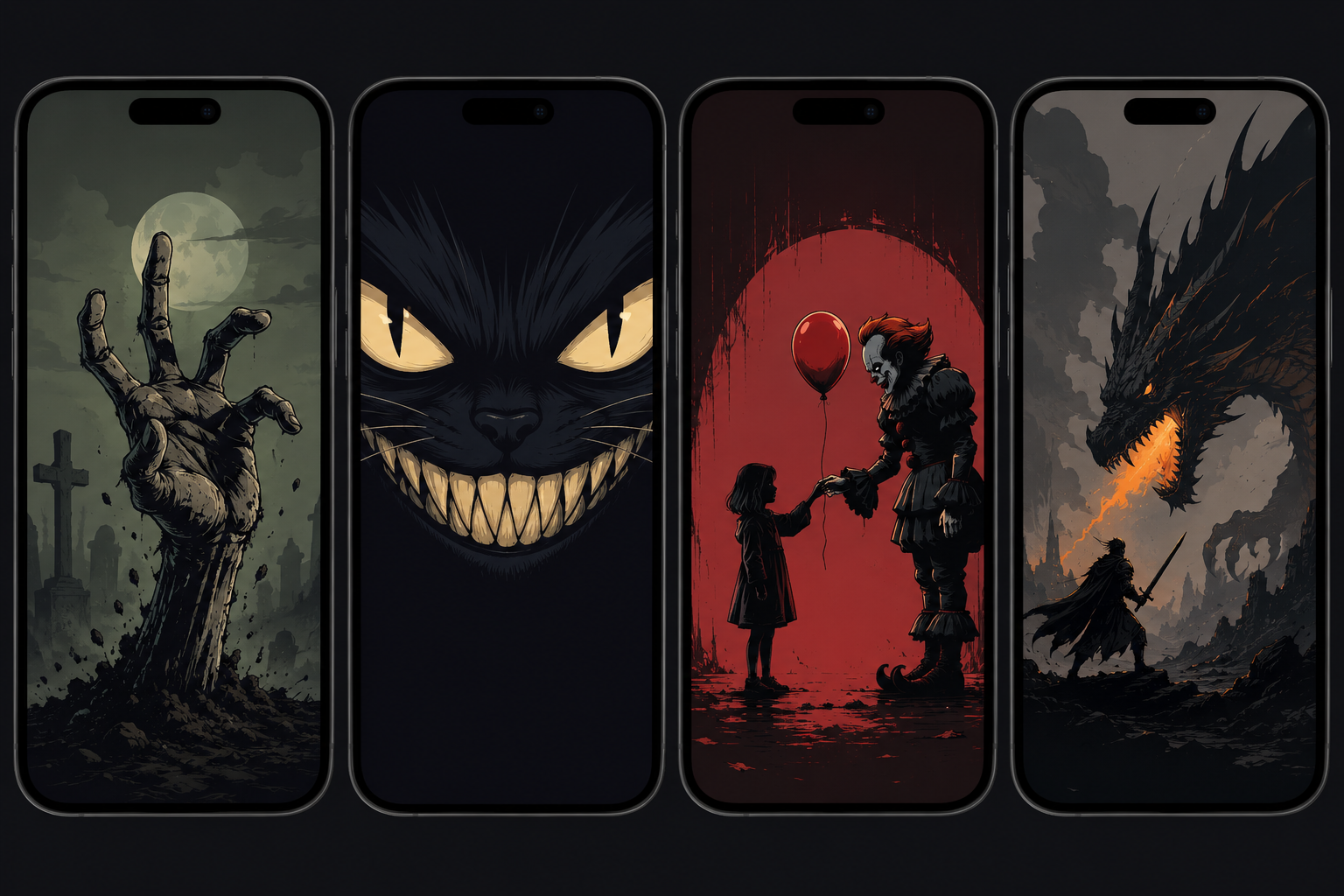
Dark Psychology · May 11, 2026 · 7 min read
Why You Feel Watched in the Dark — The Truth Behind Shadows
"A shifting shape where shadows fall,
A quiet breath against your wall.
You close your eyes to hide your dread,
But know there’s something near your bed."
A quiet breath against your wall.
You close your eyes to hide your dread,
But know there’s something near your bed."
Have you ever sat alone in a completely silent room, reading or scrolling on your phone, when suddenly the hairs on the back of your neck stand up? You are a logical adult. You know the front door is locked. You know the house is empty. Yet, you feel a heavy, undeniable gaze resting right between your shoulder blades.
Why does this happen? Why are we so terrified of the dark even as adults? In this guide, we are breaking down the deeply rooted psychology behind why the dark terrifies us, why our blankets act as imaginary armor, and the unsettling truth behind the notorious 3 AM mystery. We explore the reasons why we feel watched and how to reclaim the night.
1. The Clothes Chair Mystery: Why It Looks Like Someone Is Sitting There
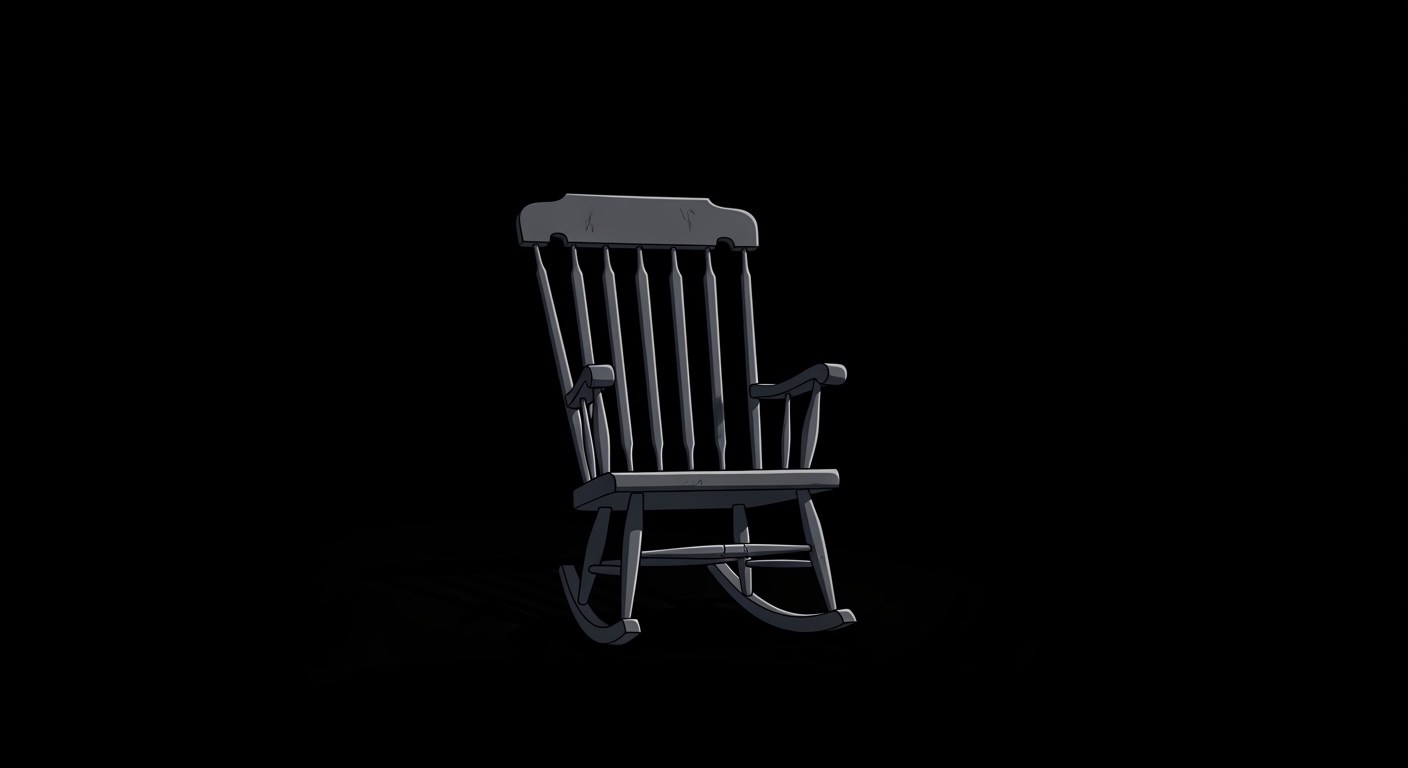
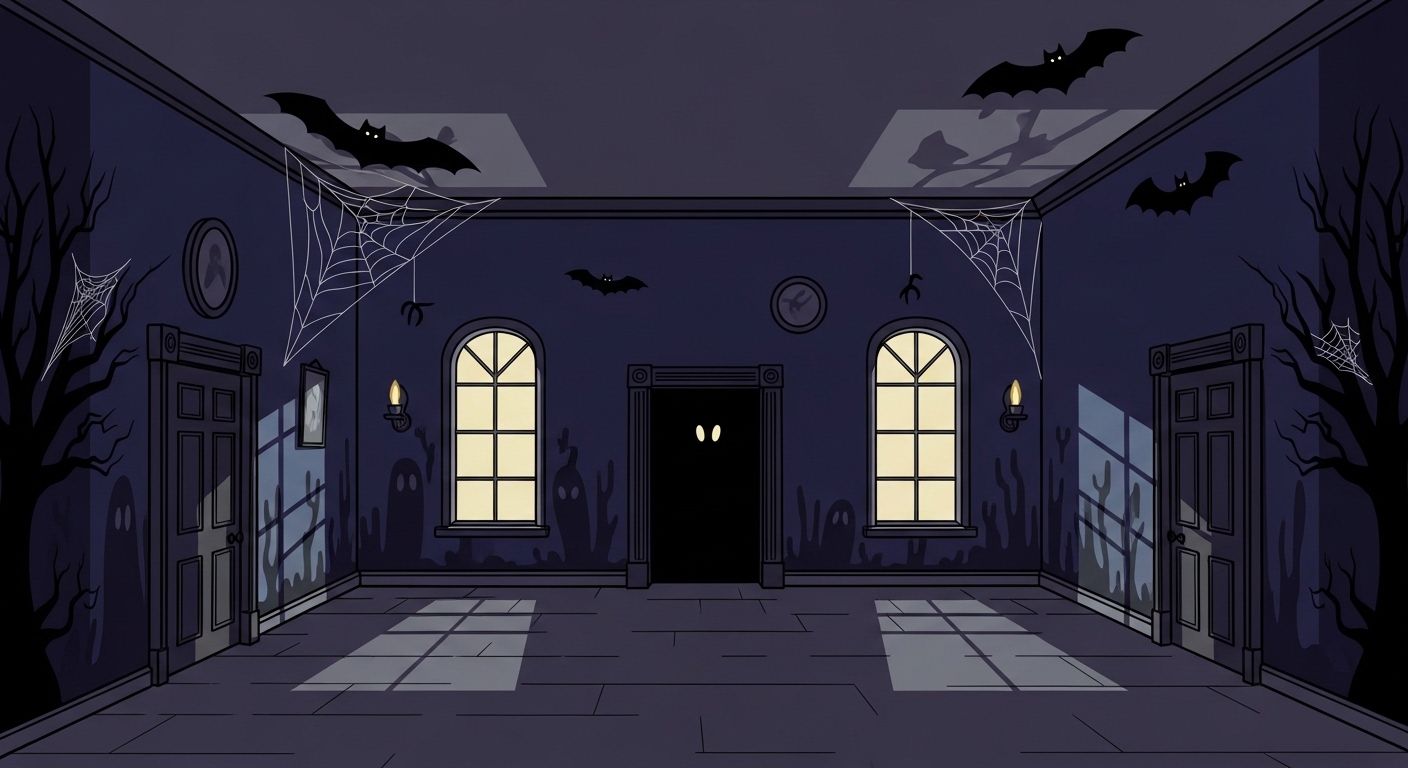
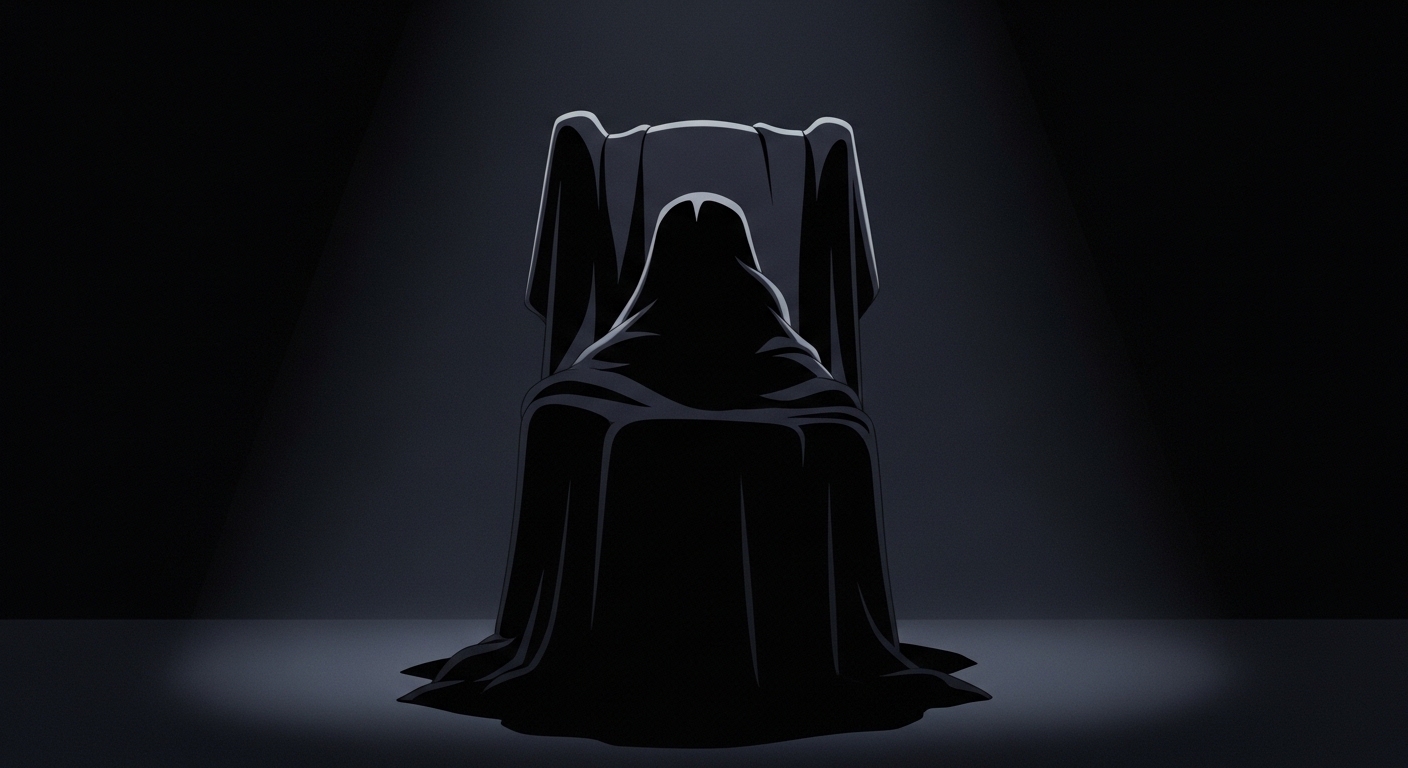
We have all experienced this specific dread. You walk past your bedroom at night, and out of the corner of your eye, you see your desk chair in the corner. But in the low light, the jacket slung over the backrest looks like shoulders, and the heap of pants on the seat looks like a head. For a split second, your heart stops because it looks exactly like someone sitting in the dark, watching you.
Why does your brain do this? It is a classic case of Pareidolia—the psychological phenomenon where our minds perceive a familiar pattern (like a face or a figure) where none actually exists. It is the same instinct that makes us see faces in clouds. In the context of a dark, empty house, your brain becomes hyper-vigilant. It aggressively searches for potential threats. The "clothes chair" is the perfect storm of vague shapes and low-contrast lighting. Your brain identifies the silhouette of a human shape—the shoulders, the rounded "head"—and instantly flags it as an intruder. Even though you logically know it’s your laundry, the primitive part of your brain screams "Person!" This exact paranoia is perfectly captured in our Midnight Rocker Reaper series.
2. The Survival Trick: Pareidolia & The Clawed Shadow
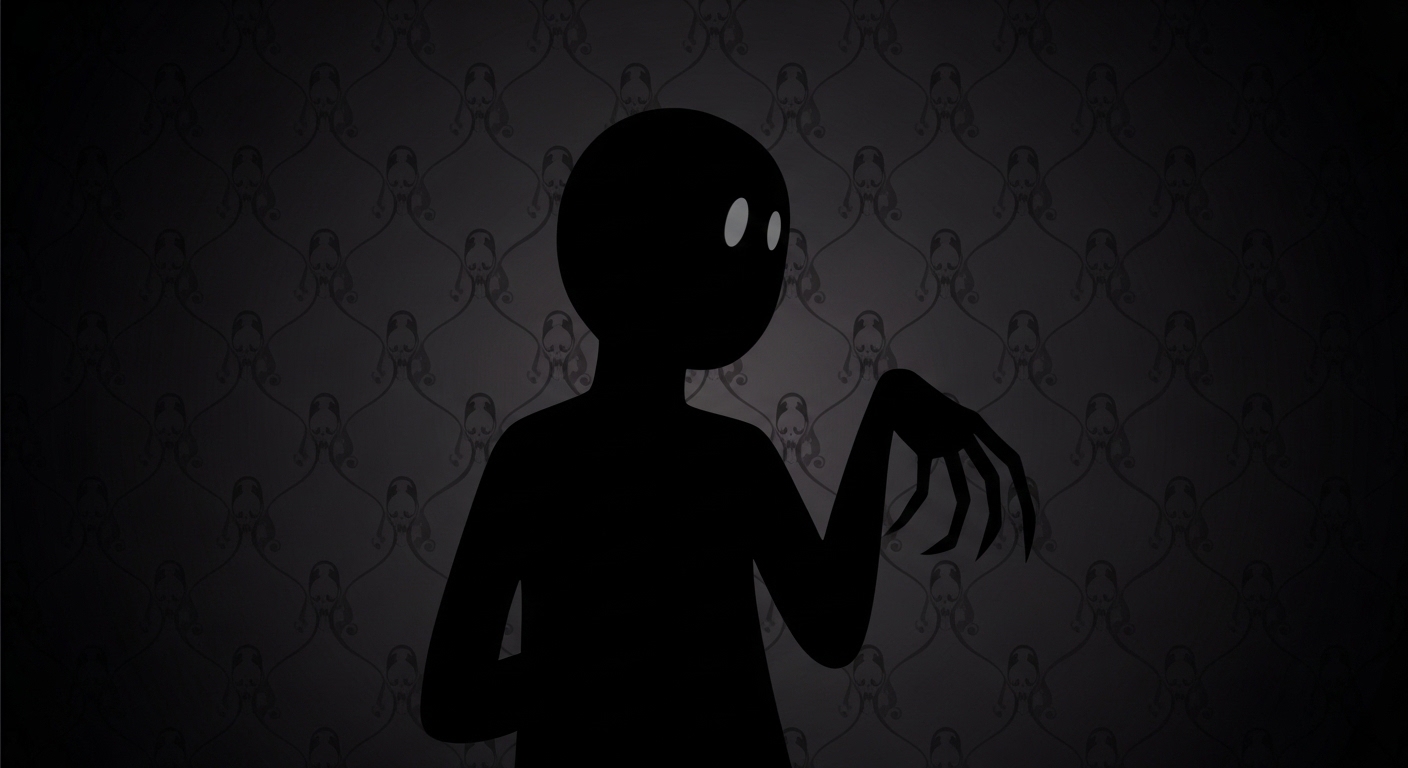
We specifically created the clawed shadow artwork above to perfectly illustrate how Pareidolia works. When you look at a vintage wallpaper or a cluttered room in the dark, your brain desperately tries to organize random patterns into something recognizable.
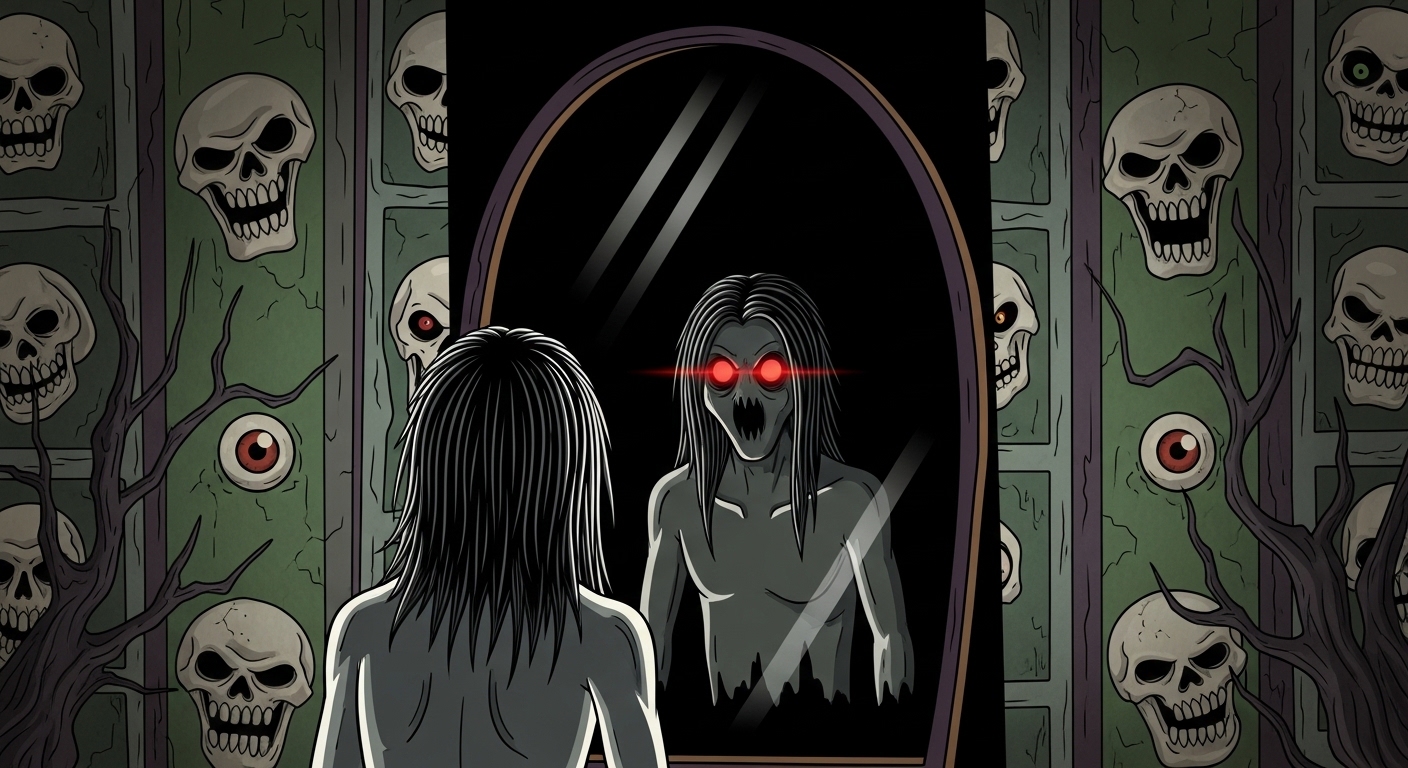
Why? Because thousands of years ago, if our ancestors saw a shadow in the bushes, it was better to mistake a pile of leaves for a predator than to mistake a predator for a pile of leaves. Your brain would rather be scared and safe than oblivious and dead. That pile of clothes on your chair? Your brain connects the dots and gives it fingers and a face just to keep you on high alert. If you love the aesthetic of faces hiding where they shouldn't, our Many-Eyed Mirror Watcher, Wide-Eyed Grin, and Grinning Shadow Girl perfectly capture this paranoia.
3. "Cognitive Priming": Why We Check Corners After a Movie
Think about what happens immediately after you finish watching a terrifying horror movie. Before you go to sleep, you suddenly feel the urge to check behind the bathroom door. You quickly peek behind the shower curtain. You scan the dark corners of the ceiling.
Are you actually expecting to find a demon? No. But your brain has just experienced Cognitive Priming. By watching a movie about a supernatural threat, you have temporarily updated your brain's "threat detection software." Your subconscious was just fed two hours of evidence that monsters exist, so it goes into overdrive, actively scanning your familiar environment to make sure the coast is clear. It’s why every shadow suddenly looks like the exact creature you just watched on screen. This phenomenon is perfectly immortalized in our Masked Hollow Grin and Masked Trickster art.
4. The Fear of the Unseen Boundary
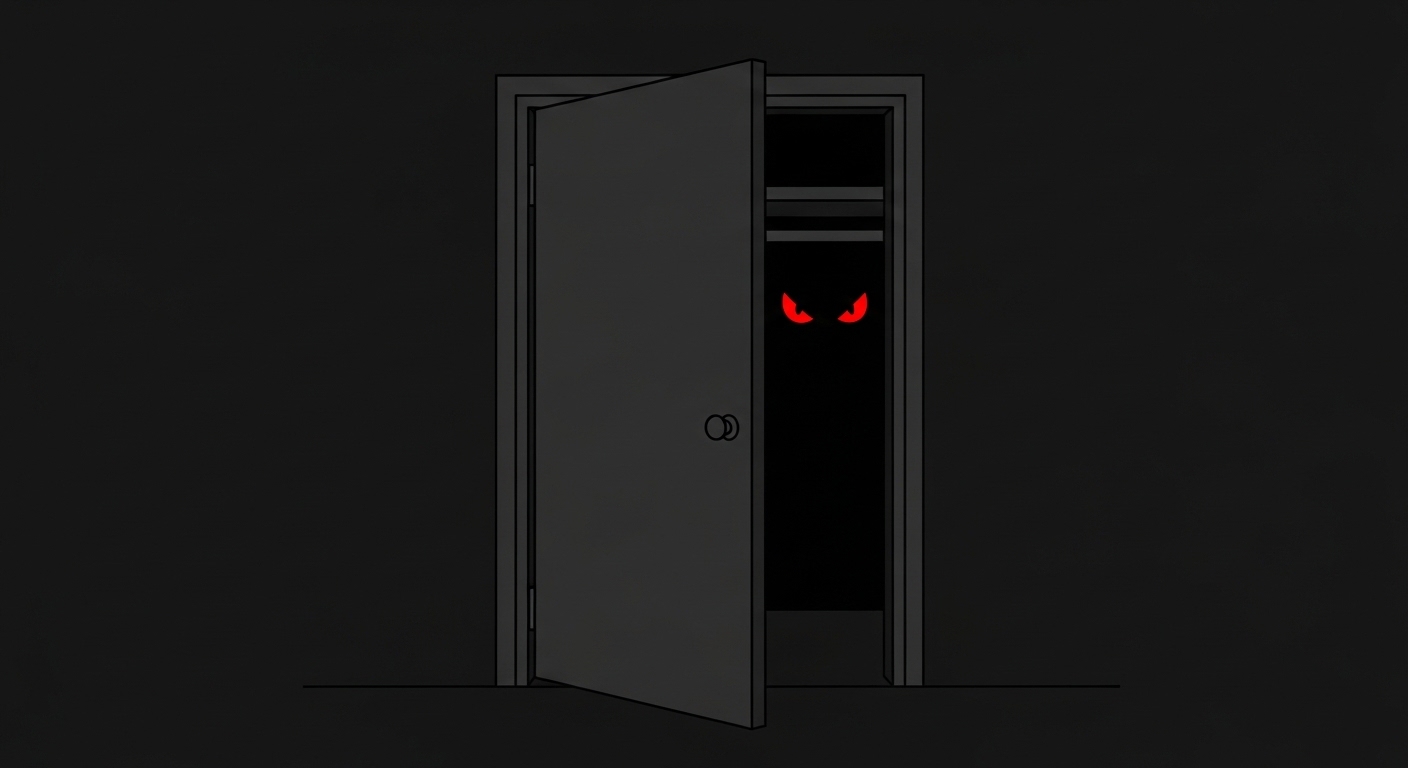
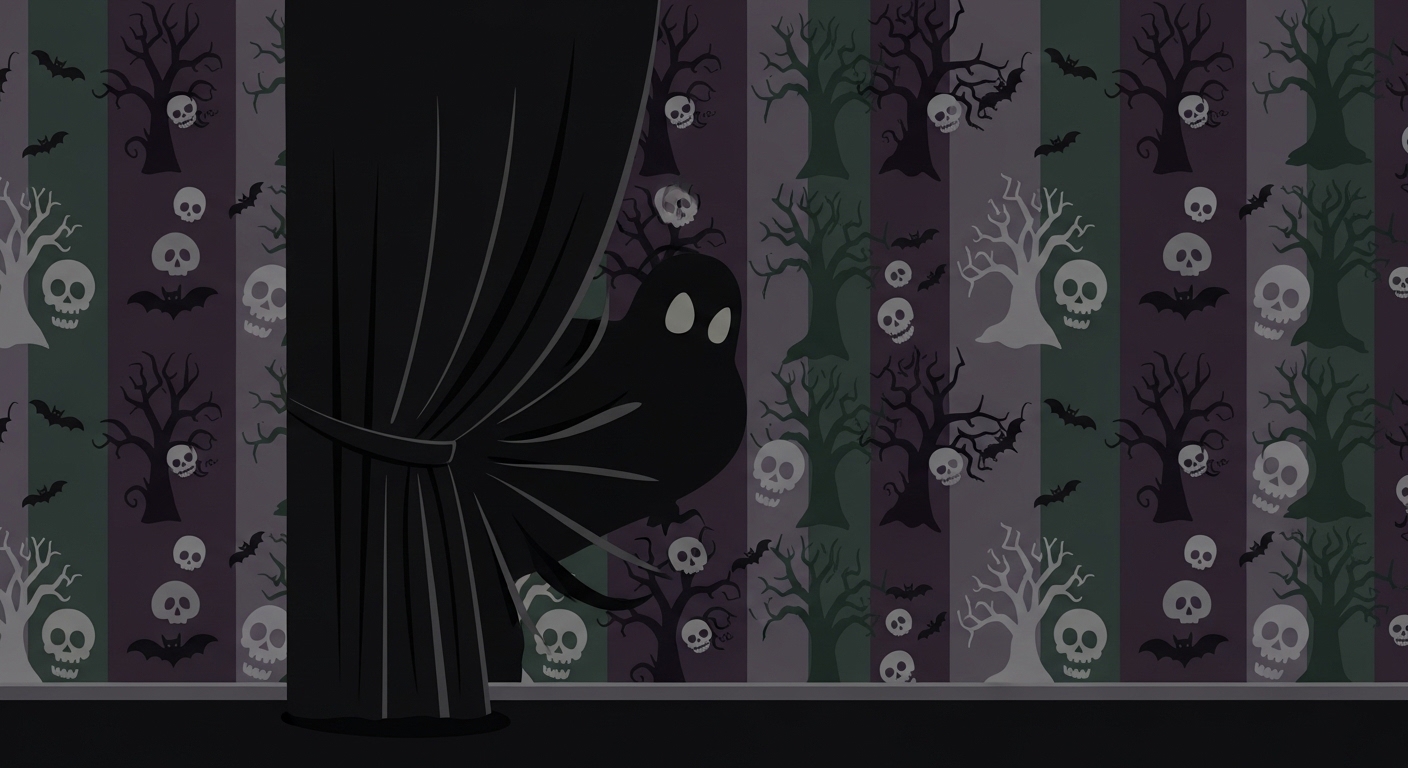
Why did we choose to illustrate glowing red eyes in a cracked closet door, and a shadow peeking from behind curtains? Because these are Liminal Spaces—the boundaries between what is known (your bedroom) and what is hidden.
A slightly open door is infinitely more terrifying than a wide-open one. The human mind is an engine of worst-case scenarios. When we can't see the full picture, our imagination fills the pitch-black gaps with the most horrifying things we can conjure. We don't fear the dark itself; we fear what the dark conceals. This psychological boundary is exactly what inspired our popular Midnight Curtain Peek and Acorn Haunt Village wallpapers.
5. The "Blanket Shield" and the Ankle Grab
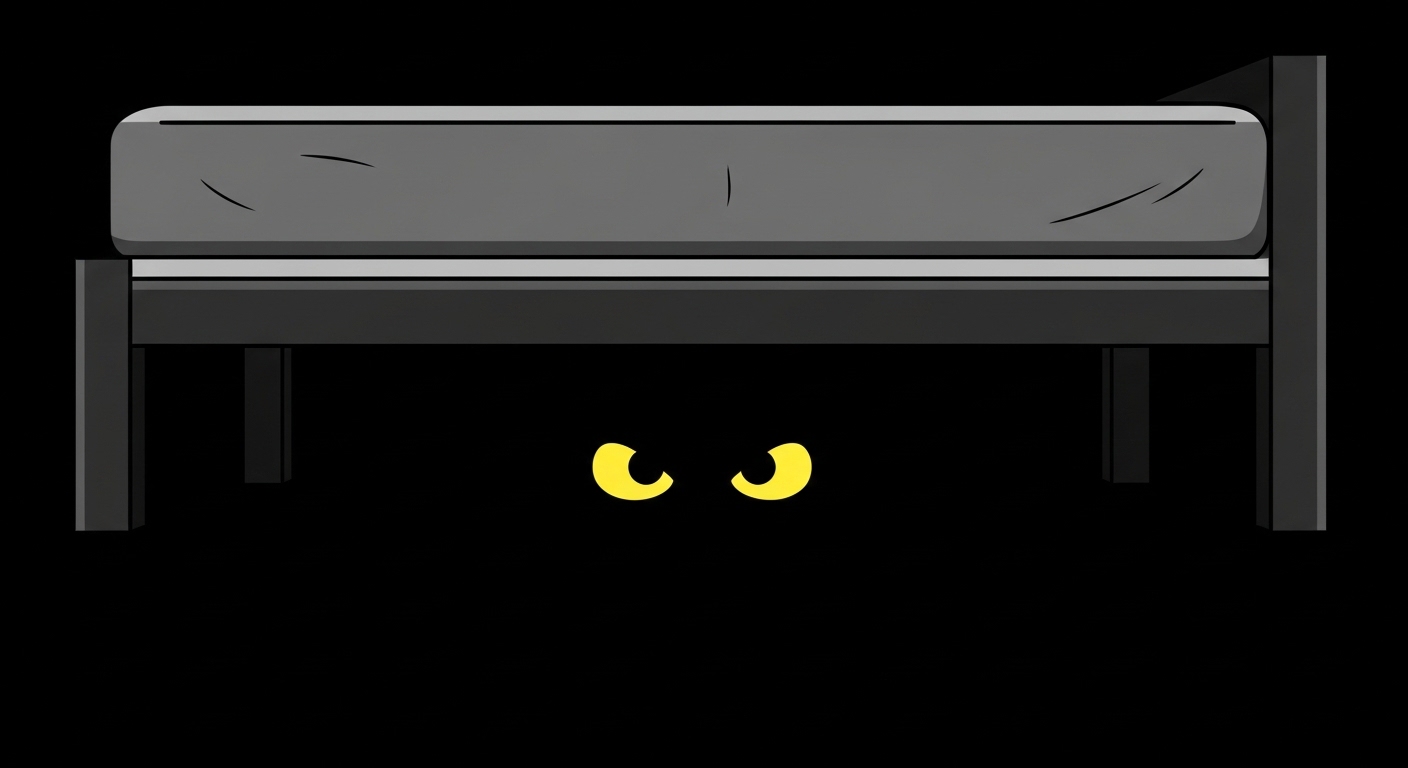
We all do it. You are lying in bed, feeling slightly too warm, so you stick one foot out from under the covers to cool off. But within thirty seconds, a wave of primal dread hits you, and you aggressively yank your leg back into the safety of the sheets.
Why are we so utterly terrified of having our ankles exposed, or the idea of someone pulling our legs from the bottom of the bed? This stems from evolutionary vulnerability. To a predator, the easiest way to drag prey into the dark is by the lowest limbs. Furthermore, your blanket acts as a psychological force field. Even though a thin layer of cotton wouldn't stop an actual intruder, it provides tactile sensory comfort. It mimics the safety of being held or hiding in a burrow. The "monster under the bed" trope (like those glowing yellow eyes) plays on the fact that when we are sleeping, we are stripped of all physical defenses. It’s the same uncomfortable dread captured in our Unseen Nanny, Amber-Eyed Fang, and Grinning Feline artwork.
6. The 3 AM Mystery: The Witching Hour
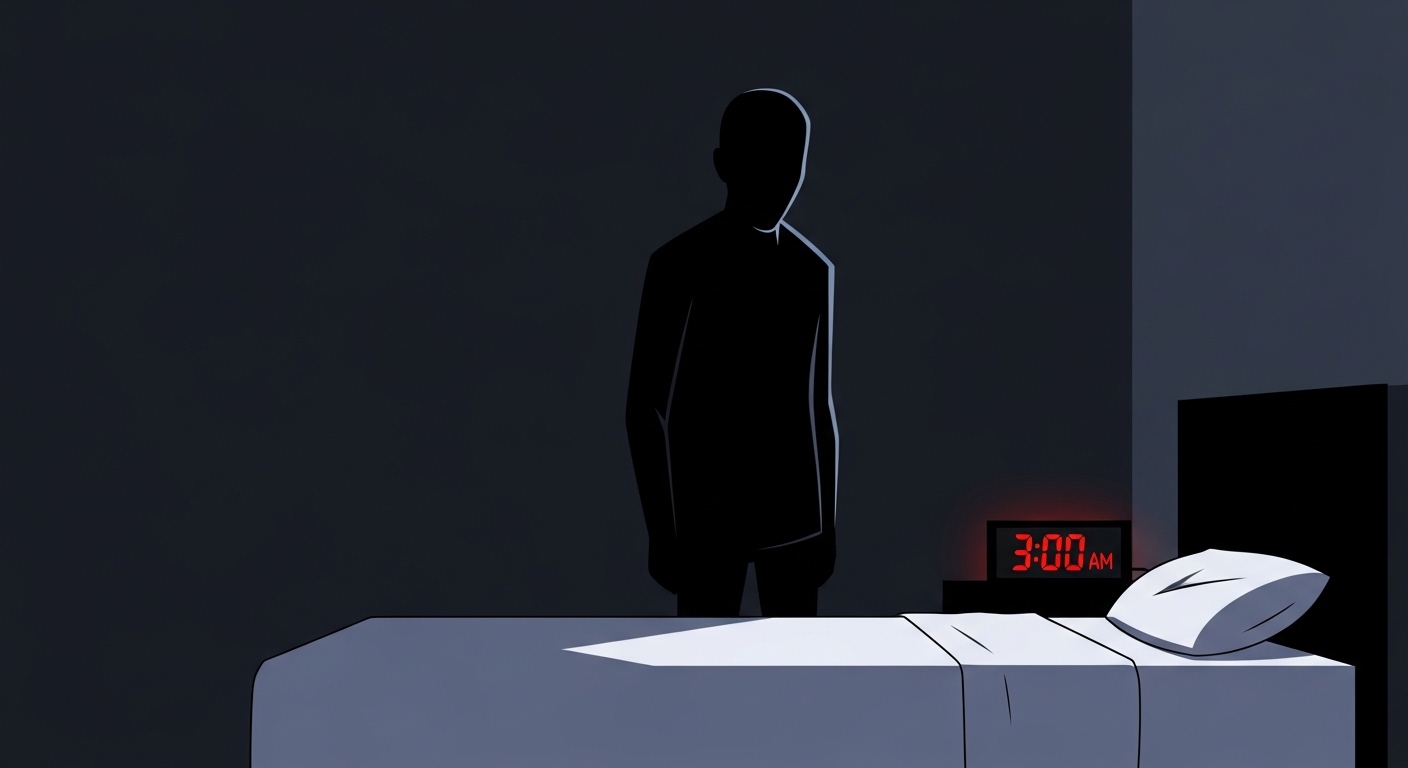
When I was a child, I vividly remember being told that if you wake up at exactly 3:00 AM, it means someone—or something—is staring at you. We’ve all heard it. Every horror movie uses it as a climax point. "The spirits are most active, their power is at its peak, and the veil between the living and the dead is practically invisible."
Historically, this time of night has been universally branded in folklore as the "Witching Hour." Across centuries and different cultures, legends claimed this was the exact moment when supernatural forces roamed freely. Because of these chilling stories passed down through generations, our brains are heavily conditioned to feel an overwhelming sense of doom when we see that number glowing on the clock.
But there is a terrifying biological truth to it that makes it feel so real. At 3 AM, your body is typically in its deepest state of REM sleep. Your heart rate is slow, your body temperature drops, and your brain is heavily processing dreams. When something—a creaking floorboard or a sudden drop in room temperature—jolts you out of REM sleep, your body goes into absolute shock. Your bloodstream is flooded with cortisol, the stress hormone.
You wake up paralyzed with fear, your brain caught halfway between a nightmare and reality. The absolute silence of the house at 3 AM acts as an amplifier. Every tiny sound becomes a footstep. Every shadow in the corner becomes a standing figure watching you sleep. This phenomenon is best represented by Skull Key, Midnight Raven, and Howling Lion.
How to Overcome the Shadows
The next time you wake up at 3 AM and feel that heavy gaze upon you, remember that your brain is just trying to protect you. The best way to overcome the fear of the dark is to own it. Stare back at the shadows. Find the beauty in the macabre. By embracing dark aesthetics—like setting your lock screen to a Horned Shadow, a Shattered Demon, or a Skeleton at Rest—you take away the power of the unknown. You invite the dark in on your own terms.